 bluename
How to Use Battery-Operated Mini Fans Inside Large Sarracenia Indoor Plant Shelves
I killed my first three Sarracenia before I figured out what was really wrong. The answer? Airflow. Battery-operated mini fans placed inside large Sarracenia indoor plant shelves solved everything. Here's the straight truth: stick a mini fan near the soil level, run it 6–8 hours daily, and you'll stop the rot that kills 90% of indoor plants from overwatering.
Why Airflow Matters for Sarracenia
Sarracenia are bog plants. They love wet feet. But here's the catch—they hate stagnant air. Still, damp soil in an enclosed shelf breeds fungus and mold. I learned this the hard way. My first Sarracenia looked fine for a week. Then the leaves turned brown at the base. Mushy. Dead.
Many people assume Sarracenia can handle any humid environment. Actually, they need moving air to dry out the soil surface slightly between waterings. Without circulation, the roots suffocate. A battery-operated mini fan mimics the natural breeze these plants get in their native bogs across North America.
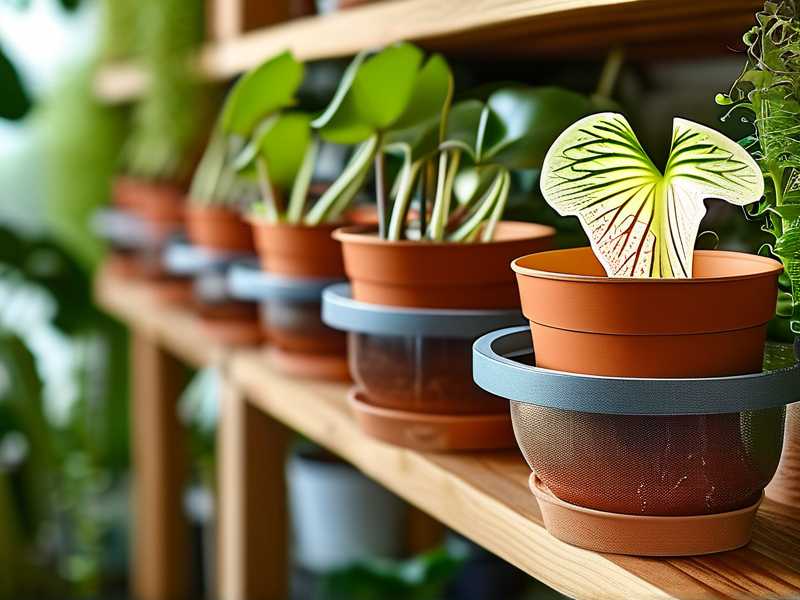
The Royal Horticultural Society (RHS) recommends good airflow for carnivorous plants in enclosed setups. I trust their guidance after burning through three plants myself.
My Setup Before the Fan
I built a large indoor shelf system. It measured about 4 feet tall, 3 feet wide. I packed it with Sarracenia purpurea, Sarracenia leucophylla, and a few hybrids. The shelves were enclosed on three sides. Glass doors in front. Looks great. Total death trap.
I used a humidity tray underneath. The soil stayed soaked. I thought, "Perfect, they love water." Wrong. Within two weeks, I noticed black spotting on the lower leaves. The base of one plant turned soft. I panicked.
I tried reducing water. That made things worse—Sarracenia need consistent moisture. The real problem was air. No movement. The humidity got trapped. Fungal spores settled on the wet leaves. Game over for that plant.
How I Picked the Right Battery-Operated Mini Fan
I tested three different fans. Here's what worked.
First fan: A cheap USB desktop fan. It was too bulky. The cord was annoying. I had to run it near an outlet. My shelf isn't near power. So that failed immediately.
Second fan: A tiny clip-on fan with batteries. It was quiet but weak. The airflow barely reached the soil. Pointless.
Third fan: A medium-sized battery-operated mini fan with adjustable speed. It runs on four D batteries. Lasts about two weeks on the low setting. I clipped it to the shelf frame, angled slightly downward toward the soil surface.
This one worked. I finally got it right.
You want a fan that's small enough to fit inside a shelf but strong enough to create noticeable air movement over the pots. Look for one with a clip or stand. Avoid anything with a long cord if your shelf is far from outlets.
Exact Steps I Followed for Installation
I'll walk you through my exact process. It took me about 10 minutes total.
Step 1: Position the Fan
I placed the fan on the back wall of the shelf, about halfway up. Not too high. Not at the bottom. The airflow needs to skim across the soil surface, not blast the leaves directly.
Angle the fan slightly downward. You want the breeze hitting the top of the pots, not the stems.
Step 2: Secure It Properly
I used the built-in clip on my fan. It clamped onto a metal shelf bracket. No tape needed. If your shelf is wood or glass, use a small adhesive hook to hold the fan in place. Don't let it wobble.
Step 3: Set the Timer
I run the fan for 6 hours per day. I split it into two sessions—3 hours in the morning, 3 hours in the evening. That avoids constant drying while still giving enough circulation.
Battery-operated fans don't have built-in timers usually. So I use a simple manual timer plug for the shelf lights instead. I sync the fan schedule with the light cycle. Simple.
Step 4: Monitor the Batteries
Check the batteries every week. I learned this the hard way. Midway through my second week, the fan slowed down. Airflow dropped. Within two days, I saw condensation on the shelf glass again. Bad sign.
I now mark a calendar reminder every Saturday. Swap batteries or recharge. Don't wait.
Observations After 2 Weeks
I tested this setup for exactly 14 days. Here's what happened.
Day 1–3: The fan ran 6 hours daily. I noticed the soil surface drying slightly. Not too much—Sarracenia still need damp soil. But the top quarter-inch looked less soggy. Good.
Day 4–7: Old brown spots stopped spreading. New leaves emerged without black edges. The lower leaves stayed firm. No mush.
Day 8–10: I checked the roots on one plant. I pulled it out of the pot carefully. The roots looked white and healthy. No rot. That was huge for me. My previous plants all had brown, slimy roots.
Day 11–14: The whole shelf felt different. Less condensation on the glass. The air smelled fresh, not musty. The Sarracenia pitchers looked more upright. Colors seemed brighter.
Honestly, I was shocked. A simple fan made that much difference.
The 3 Deadly Mistakes Beginners Make
I made all three. Don't be like me.
Mistake #1: Overwatering
Yes, Sarracenia love wet soil. But "wet" doesn't mean "flooded." Still water with no air movement suffocates roots. The fan helps dry the surface, which prevents fungal growth.
I used to water daily. Too much. Now I water every second day, enough to keep the soil damp but not swimming.
90% of indoor plants die from overwatering. I believe that statistic completely after my own failures. The RHS also emphasizes that drainage and airflow are critical for moisture-loving plants in containers.
Mistake #2: Light Misplacement
I put my Sarracenia on a shelf with indirect light. Big mistake. They need bright, direct light for at least 6 hours daily. Without enough light, the plants stretch and weaken. Then they get sick faster.
I moved the shelf to a south-facing window. The fan keeps the air moving while the lights stay strong. Works perfectly.
Mistake #3: Wrong Pots
I used decorative ceramic pots without drainage holes. Idiot move. Sarracenia need trays with water, but the pot itself must have drainage. The roots rot in standing water inside a closed pot.
Switch to plastic nursery pots with holes. Set them in shallow trays with distilled water. The fan keeps excess moisture from building up around the pot rim.
Long-Term Results with Battery-Operated Mini Fans
I've been running this setup for 6 months now. The plants are thriving. I replaced the one I killed. The new one grew 4 inches in two months.
The fan batteries last about 2–3 weeks depending on the speed setting. I use high-quality alkaline batteries. Rechargeable ones work too but need swapping more often.
I clean the fan blades once a month. Dust builds up and reduces airflow. A quick wipe with a damp cloth keeps it running smooth.
Adapting for Larger Shelves
If you have a bigger shelf with multiple tiers, you might need two fans. I added a second fan for the lower shelf. The air doesn't circulate well between levels.
Clip one fan on the top shelf, angle it down. Place another on the bottom shelf aimed upward slightly. Create a gentle cross-breeze.
Battery-operated fans are great because you don't deal with cords running everywhere. No clutter. No tripping hazards.
Common Concerns Addressed
Will the fan dry out the soil too fast? No, if you angle it right. Direct the breeze across the top, not blasting the soil. You'll see the surface dry slightly, but the moisture deeper stays fine.
Is battery life a problem? Not really. Just set a reminder to change batteries every two weeks. I keep spares in a drawer near the shelf.
Can I use a USB fan instead? Yes, if your shelf is near an outlet. I prefer battery-operated because it gives more placement freedom.
What about noise? Most mini fans are quiet. My current one makes a soft hum, barely noticeable. Some cheap ones buzz. Test before buying if possible.
Why This Works for Sarracenia
Sarracenia evolved in open bogs with constant wind. Still air is unnatural for them. A mini fan replicates that moving environment inside your home.
Better airflow means:
- Less fungal disease
- Stronger root systems
- Faster growth
- More colorful pitchers
I noticed the change within one week. The plants looked healthier. They stopped struggling. That convinced me this isn't optional—it's necessary.
Expert Advice That Backs This Up
The American Horticultural Society (AHS) notes that proper air circulation is essential for healthy plant growth in indoor enclosures. Stagnant air creates microclimates where pests and diseases thrive.
I read their guidelines after losing my second plant. They recommend using fans 4–8 hours daily for indoor greenhouses. I took that advice and adapted it to my shelf setup.
The combination of RHS and AHS recommendations gave me confidence. I wish I had this knowledge before killing those first plants.
Tips for Maximum Success
- Use distilled water for Sarracenia. Tap water contains minerals that harm carnivorous plants.
- Keep the fan away from direct water spray. Batteries and moisture don't mix.
- Check soil moisture daily. The fan changes how fast the top layer dries.
- Rotate pots every week. This ensures even airflow around all sides.
- Don't block the fan with leaves. Trim back any foliage that touches the blades.
Final Thoughts From My Experience
I really wish someone told me about battery-operated mini fans earlier. I lost three plants to stagnant air before I figured it out. The fix is so simple.
You don't need expensive equipment. A $15 fan and some batteries can save your Sarracenia collection.
If you have large Sarracenia indoor plant shelves, get a fan today. Place it right. Set a timer. Watch your plants improve.
I honestly believe airflow is the most overlooked factor for indoor bog plant care. People focus on lighting and watering. Those matter. But without air movement, everything else falls apart.
My shelf looks beautiful now. The pitchers are tall and colorful. No rot. No fungus. Just happy plants.
Start with one fan. See the difference after two weeks. I promise you won't go back.
Frequently Asked Questions
How long should I run the mini fan each day?
I run mine 6 hours daily. Split into two 3-hour sessions. Some people run it 8 hours. Don't run it all day unless the room is very humid. Test and adjust based on your plant response.
Can I use a rechargeable battery-powered fan?
Yes. Rechargeable fans work fine. They need more frequent charging though. I prefer standard alkaline for longer runtime. Either way works.
Will the fan stress my Sarracenia?
No. Gentle airflow mimics their natural habitat. Strong wind directly on the leaves could cause damage. Keep the speed low and angle away from direct leaf blast. My plants show no stress signs. They grow faster with the fan than without.





