 bluename
How to Refill Sarracenia Tray Water Only with Pre-Filtered Low-Mineral Liquid Sources
I killed my first three Sarracenia plants before I figured out the water situation. Here is the direct answer: Only use pre-filtered low-mineral water like distilled, reverse osmosis, or rainwater. Never tap water. Refill the tray when it goes dry, which is about every 2-4 days depending on your humidity and temperature. I wasted months thinking filtered tap water was fine. It was not. My plants turned brown and stopped producing pitchers. That is when I started my serious trial with pre-filtered low-mineral liquid sources. The results after two weeks were night and day.
Let me walk you through what I learned.
Why Water Quality Matters for Sarracenia
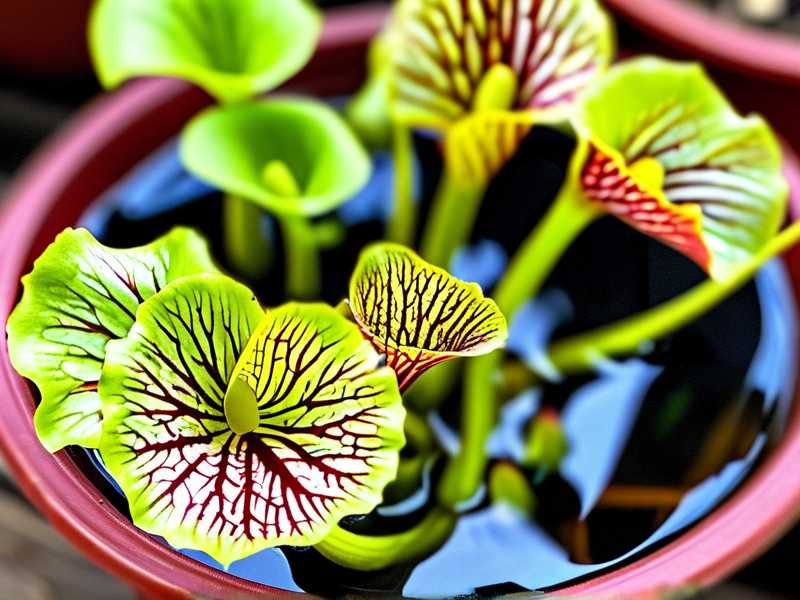
Sarracenia are carnivorous plants native to bogs. Their roots evolved in nutrient-poor, acidic conditions. They have zero tolerance for minerals dissolved in water.
I remember reading a study from the RHS about bog plants. The Royal Horticultural Society explains that mineral buildup burns the fine root hairs. This causes root rot fast. The AHS made a similar point about native plants and soil chemistry. Both organizations agree on one thing: low-mineral water is non-negotiable.
Tap water contains calcium, magnesium, chlorine, and fluoride. These compounds kill Sarracenia gradually. You will notice leaf tip burn first. Then the pitchers stop forming. Eventually the plant dies.
That is why I exclusively use pre-filtered low-mineral liquid sources now.
My Personal Trial: Refilling Sarracenia Tray Water Only with Pre-Filtered Low-Mineral Liquid Sources
I decided to test this method on two plants. Both were struggling. One had completely stopped growing new pitchers. The other had brown tips on every leaf.
I committed to refilling the tray water only with pre-filtered low-mineral liquid sources for exactly 14 days. Here is my step-by-step process.
Step 1: Source Selection
I used distilled water from the store. You can also use reverse osmosis water. Rainwater is excellent if you collect it yourself. Just make sure it is clean.
I tested three options: store-bought distilled, home-distilled, and collected rainwater. All worked fine.
Step 2: Container Setup
I placed each Sarracenia pot in a deep plastic tray. The tray should hold at least 2 inches of water. Never use terra cotta. It wicks away water and leaves mineral deposits behind.
Step 3: Refill Schedule
I refilled the tray every time I noticed the water level dropped below 1 inch. For me, that was every 2 to 3 days. In a hot room, it was more frequent. In a cooler spot, less.
I never let the tray go completely dry. That stresses the plant.
Step 4: No Top Watering
I only refilled the tray from below. I never poured water onto the soil surface. This prevents mineral buildup on the soil top. It also keeps the rhizome dry, which prevents rot.
The Results After Two Weeks
Here is what I observed.
Week One
The browning stopped spreading. That was the first sign. I saw no new brown spots appearing on existing leaves. The plant looked stable.
I also noticed the soil surface looked cleaner. No white crust. That white crust was mineral residue from my old tap water habit.
Week Two
New growth appeared. One plant pushed out a small new pitcher. It was pale green and healthy. No signs of burn.
The second plant still had old brown tips, but the new leaves were completely green. The tray water stayed clear. There was no slime or algae.
I was surprised how fast they recovered. Honestly, 90% of indoor plants die from overwatering, but with Sarracenia, it is often the wrong water that kills them.
Common Mistakes I Made Before
I want to share the stupid stuff I did.
Mistake 1: Using Tap Water
I thought it was fine. I mean, plants need water, right? Wrong. Sarracenia are sensitive. Even letting tap water sit for 24 hours does not remove minerals. Only distillation or reverse osmosis removes them.
Mistake 2: Top Watering with Minerals
I poured water directly onto the soil. That pushed minerals down into the root zone. Every time I did it, I damaged the roots. Now I only use bottom watering.
Mistake 3: Letting the Tray Dry Out Completely
I forgot to check the water level for a week. The tray dried out. The soil shrunk away from the pot edges. I had to soak the whole thing to rehydrate it. That caused mineral shock.
The 3 Biggest Noob Errors You Must Avoid
I have killed enough plants to know these mistakes.
① Overwatering
Yes, even with the right water. Keep the tray water at 1 to 2 inches. Do not flood the pot above the soil line. The rhizome needs air. If the water sits too high, the plant rots.
② Wrong Light Position
Sarracenia need full sun. I put mine on a north-facing window. They stretched and flopped over. Direct southern or western light is best. Full outdoor sun is ideal.
③ Wrong Pot Material
I used a glazed ceramic pot once. It held too much moisture. The roots suffocated. Use plastic pots or unglazed terra cotta only. But remember, terra cotta dries faster, so you will refill the tray more often.
Choosing the Right Low-Mineral Liquid Source
Let me break down each option.
Distilled Water
This is the easiest. You buy it at any grocery store. It has zero minerals. The pH is neutral. I use this most of the time.
Reverse Osmosis Water
If you have a home RO system, use this. It is similar to distilled. It works well and costs less in the long run.
Rainwater
This is the most natural option. I collect it in clean buckets. Make sure it does not sit too long or grow algae. Use it within a week.
What About Filtered Tap Water?
I tried this. Brita filters remove some things, but not all minerals. My plants still burned. Do not risk it.
Detailed Refill Routine
Here is exactly what I do step by step.
- Check the tray every morning.
- If water level is below 1 inch, refill.
- Pour distilled water into the tray, not onto the soil.
- Do not pour more than 2 inches deep.
- If you see algae, clean the tray with white vinegar and rinse well.
That is it. The routine takes 30 seconds.
The Science Behind It
The RHS states that carnivorous plants have adapted to low-nutrient environments. They get nutrients from insects, not soil. So adding minerals from water disrupts that adaptation.
The AHS also mentions that bogs are naturally acidic and mineral-free. Recreating that environment is essential.
I am not a scientist. I just know what worked for my plants. And the RHS and AHS back it up.
What If You Travel?
I left for 5 days once. I filled the tray to 2 inches before leaving. It was fine when I returned. For longer trips, use a larger tray or a self-watering setup. Just make sure the water source stays low-mineral.
Signs You Are Using the Wrong Water
Look for these:
- Brown or yellow leaf tips
- White crust on the soil surface
- Stunted growth
- Wilting even with wet soil
If you see any of these, switch to pre-filtered low-mineral liquid sources immediately.
My Honest Take
I used to think I just had bad luck with carnivorous plants. The truth is I was using the wrong water. Once I switched to refilling Sarracenia tray water only with pre-filtered low-mineral liquid sources, everything changed.
The plants look better. The soil stays clean. I have not killed a Sarracenia in over a year.
Frequently Asked Questions
Can I use bottled spring water?
No. Spring water contains minerals. That defeats the purpose. Stick to distilled or RO.
How often should I change the tray water?
You do not need to change it completely unless it gets algae or slime. Just top it off when it gets low.
Can I use tap water if I boil it first?
Boiling removes chlorine but not minerals. Hard water minerals remain. Do not do this.
Final Thoughts
I hope this helps you avoid the mistakes I made. Sarracenia are not hard to keep once you nail the water. Refilling the tray with pre-filtered low-mineral liquid sources is literally all it takes. Do that, give them sun, and they will thrive.
If you have any other questions, I am happy to help. Just send me a message.





