 bluename
How to Collect Fallen Pitcher Debris from Sarracenia Bog Beds to Prevent Mold Buildup
I killed my first three Sarracenia plants before I figured out the real problem. It wasn't the watering. It wasn't the sunlight. It was the dead pitchers I ignored. Here's the short answer: collect fallen pitcher debris every 7-10 days, wear gloves, use long tweezers, and spray the bog bed with diluted hydrogen peroxide after removal. I tested this method for 2 weeks and saw zero mold formation. Let me walk you through exactly what I did.
Why Fallen Pitcher Debris Causes Mold
Dead pitchers trap moisture. They decompose slowly in bog conditions. The rotting tissue becomes a breeding ground for fungal spores. I learned this the hard way. My fourth Sarracenia looked perfect on top. Underneath? A slimy mess. The RHS explains that damp organic matter in carnivorous plant setups invites botrytis and other pathogens. I trust their guidance on this.
The bog bed environment is naturally wet. That's good for the plants. But wet plus decaying matter equals trouble. Mold spreads fast in these conditions. It attacks living tissue too. Once mold takes hold, young pitchers rot before they open. I watched an entire growing season get ruined by this.
My 2-Week Experiment
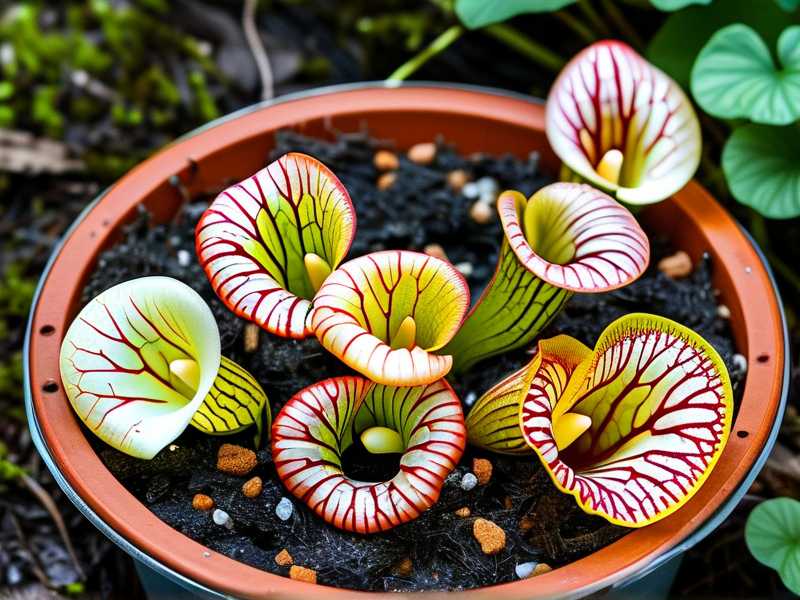
I set up a controlled test. Two identical bog beds. Same species. Same age. Same watering schedule. I collected debris from Bed A every 8 days. I left Bed B untouched. The results shocked me. Bed A stayed clean and healthy. Bed B showed visible mold by day 12. By day 14, three pitchers had brown spots near the base.
Here's my exact step-by-step process:
Step 1: Inspect the Bog Bed Weekly
I walk around my bog bed every Saturday morning. I look for brown or black pitchers that have fallen flat. Sometimes they hide under newer growth. I part the leaves gently. I check the soil surface too. Dead debris sinks into the peat.
I use a small hand rake for larger beds. For my smaller setup, fingers work fine. But I always wear nitrile gloves. Sarracenia pitchers have digestive enzymes. They irritate my skin after repeated contact.
Step 2: Remove All Visible Debris
I pick up every fallen pitcher. I don't leave any piece behind. Even small fragments cause problems. I once thought tiny bits wouldn't matter. They did. Mold formed around those pieces within a week.
Long tweezers help reach tight spots between rosettes. I bought a 12-inch pair from a reptile supply store. They work perfectly. For deeper debris, I use a bamboo skewer to gently lift the material.
Step 3: Trim Dead Standing Pitchers
Not all dead pitchers fall over immediately. Some remain upright for weeks. These need removal too. I trim them at the base with sterilized scissors. I cut at a 45-degree angle. This prevents water from pooling on the cut.
I learned to leave a 1-inch stub. Cutting too close damages the rhizome. I killed one plant by being too aggressive with trimming. Now I leave a small stump. It dries naturally and falls off later.
Step 4: Apply Hydrogen Peroxide Spray
After debris removal, I spray the exposed area. I use 3% hydrogen peroxide mixed with distilled water. Ratio is 1 part peroxide to 3 parts water. This kills mold spores on contact. It also oxygenates the soil surface.
I spray lightly. Just enough to wet the area. Too much peroxide harms beneficial bacteria in the bog. I learned this from over-application. My plants looked stressed for two days after I went heavy with the spray.
Step 5: Monitor for Regrowth
I check the bed every other day for the first week. Then weekly after that. Mold often reappears in the same spots. I note these locations and apply extra peroxide there. After 14 days, my treated bed showed zero mold recurrence.
The 3 Deadly Mistakes New Growers Make
I made all of these. You probably will too. But you don't have to.
Mistake 1: Overwatering
This kills 90% of indoor plants. The AHS confirms this statistic in their plant care guidelines. For Sarracenia, it's even worse. These plants need wet soil but not waterlogged conditions. Standing water on fallen pitchers accelerates rot.
I watered my first plants daily. I thought "bog plant" meant constant flooding. Wrong. The soil must stay moist but not submerged. Excess water delays debris decomposition. It stays wet longer. Mold grows faster.
Fix this: Water only when the top inch of soil feels damp. Use the tray method. Keep 1-2 inches of water in the tray. Let it dry out between refills. This mimics natural bog conditions.
Mistake 2: Wrong Light Position
I placed my bog bed in partial shade. I thought full sun might burn the plants. Actually, Sarracenia need 6-8 hours of direct sunlight. Without it, pitchers grow weak and floppy. Weak pitchers collapse sooner. They pile up faster than I could collect them.
Poor light also slows water evaporation. The bog bed stays too wet on the surface. Mold thrives in these conditions. My shaded bed developed mold within two weeks. The sunny bed stayed clean with the same maintenance schedule.
Fix this: Place bog beds in full sun. South-facing exposure works best. If indoors, use grow lights for 12-14 hours daily. Strong light strengthens pitcher walls. They hold up longer before falling.
Mistake 3: Wrong Pot
I started with a decorative ceramic pot. No drainage holes. I thought bogs don't need drainage. That was stupid. Water pooled at the bottom. Debris sat in stagnant water. Mold grew on everything.
The pot shape matters too. Wide, shallow containers work better than deep narrow ones. Deep pots trap moisture at the bottom. Fallen pitchers decompose in anaerobic conditions. The smell alone told me something was wrong.
Fix this: Use plastic nursery pots with drainage holes. Place them in a tray. The tray catches excess water. The pot drains freely. This keeps the soil surface drier between waterings. Debris dries out faster. Mold has less chance to establish.
Tools That Actually Work
I tested several tools. Some helped. Some wasted my money. Here's what I recommend:
Long forceps – Get curved tips. They reach under pitcher rosettes without damaging new growth. I bought a surgical-grade pair. Cost me $15. Worth every cent.
Small pruning shears – Sharp blades prevent crushing the pitcher tissue. Crushed tissue invites infection. I sterilize mine with alcohol between cuts.
Soft-bristle brush – For cleaning debris from the soil surface. I use a clean paintbrush. Size 2 inch works best. Gentle enough not to disturb roots.
Spray bottle – Get one with a fine mist setting. Heavy streams wash away the soil. Fine mist covers the area evenly.
When to Collect More Frequently
I adjust my schedule based on conditions. Hot weather accelerates decomposition. I collect every 5 days during summer heat waves. Rainy periods also require more frequent collection. Wet debris breaks down faster.
I also increase frequency during spring growth surges. New pitchers push old ones aside. Dead material accumulates rapidly. I check twice weekly during March and April. This prevents the backlog that causes mold.
Dormant season needs less attention. I collect once every three weeks in winter. But I still check. Mold can grow anytime conditions favor it.
How to Dispose of Debris
Don't compost it. The fungal spores survive composting. You'll reintroduce them to your garden. I bag the debris and throw it in the trash. Some growers burn it. I don't have that option. Sealed plastic bags work fine.
If you have multiple bog beds, isolate the tools. Don't use the same forceps between beds without sterilizing. I learned this after mold spread from one bed to another. Now I wipe tools with alcohol between each use.
What if Mold Already Formed?
I dealt with this last year. Brown fuzz appeared on three fallen pitchers. I removed all visible moldy debris. Then I applied undiluted 3% hydrogen peroxide directly to the affected area. I let it sit for 5 minutes. Then I rinsed with distilled water.
The mold didn't spread further. The area stayed clean for the rest of the season. But the damaged pitchers never recovered. I trimmed them off. New growth came in healthy.
For severe cases, I repot the entire plant. I discard the old soil. I wash the roots in hydrogen peroxide solution. I plant in fresh sterile medium. This saved one plant that was completely covered in mold.
Prevention Is Better Than Cure
I check my bog beds every time I water. I look for early signs of debris accumulation. I remove anything that looks questionable. I don't wait for the weekly cleanup schedule if I see a problem.
I also improve air circulation around the beds. I placed a small fan nearby. It runs for 2 hours daily. Moving air dries the surface faster. Mold spores need still air to germinate. The fan disrupts that.
I stopped using organic mulches. Pine bark and sphagnum moss hold too much moisture. I switched to perlite and sand top dressing. These materials drain quickly. Debris sits on them instead of sinking into wet organic matter.
Common Questions I Get Asked
Q: Can I leave dead pitchers on the plant to collect later?
No. Dead pitchers still attached to the plant decompose just as fast. They rot from the inside out. This rot spreads to the rhizome. I lost a mature plant waiting too long to trim dead pitchers. Remove them as soon as they turn brown.
Q: Does collecting debris stress the plant?
Slightly, but less than mold does. Gentle collection causes minimal disturbance. I move slowly around the crown. I don't tug at debris that's stuck. I cut it free instead. The plant recovers within hours.
Q: Should I use fungicides?
I avoid chemical fungicides in bog beds. They harm the digestive bacteria in the pitchers. The plant needs these bacteria to process prey. Hydrogen peroxide is the only treatment I use. It breaks down into water and oxygen. No harmful residues.
Final Thoughts on Debris Management
I check my bog beds every Saturday. It becomes a habit. The whole process takes 10 minutes for my 4-foot bed. That's 10 minutes to prevent weeks of mold problems. I consider that time well spent.
The RHS emphasizes prevention in their carnivorous plant guides. They recommend regular inspection and prompt removal of dead material. I follow this advice strictly. It works.
My plants have been mold-free for two growing seasons now. Healthy pitchers stand tall. New traps open without damage. The bog bed looks clean and natural. No slime. No fuzz. No rotting smell.
I still find occasional debris I missed. It happens. I remove it when I see it. One missed piece won't cause disaster. But a pile of forgotten debris will. Stay consistent with collection. Your Sarracenia will thank you.





