 bluename
How to Avoid Splashing Bog Bed Soil onto Sarracenia Leaf Crowns During Watering: My 2-Week Fix
Let me get straight to the point. The best way to avoid splashing bog bed soil onto Sarracenia leaf crowns during watering is to use a bottom-watering tray method combined with a gentle top-dressing of clean, coarse sand. I use a 2-inch deep tray under my pots, fill it with rainwater until it reaches halfway up the pot, and let the soil wick moisture upward. For the top-dressing, I add a 1-inch layer of washed silica sand on the bog bed surface. This keeps the soil particles locked in place. No splashing. No crown rot. I tested this over 2 weeks, and the difference is night and day.
I learned this after killing my third Sarracenia plant. It was heartbreaking. The water from my watering can would blast the peat-perlite mix upward, and mud would cake all over the growing points. The crowns turned black within days. I felt like a failure. But now, with this simple fix, my plants are thriving.
The Core Problem: Why Splashing Bog Bed Soil Damages Your Sarracenia
If you grow carnivorous plants, you know the struggle. Sarracenia are bog plants. They love wet feet. But their leaf crowns—the central growing point where new pitchers emerge—are extremely sensitive. When you water from above, the force of water dislodges soil particles from the bog bed. These particles land on the crown. Trapped moisture leads to fungal infections. The crown rots. The plant dies.
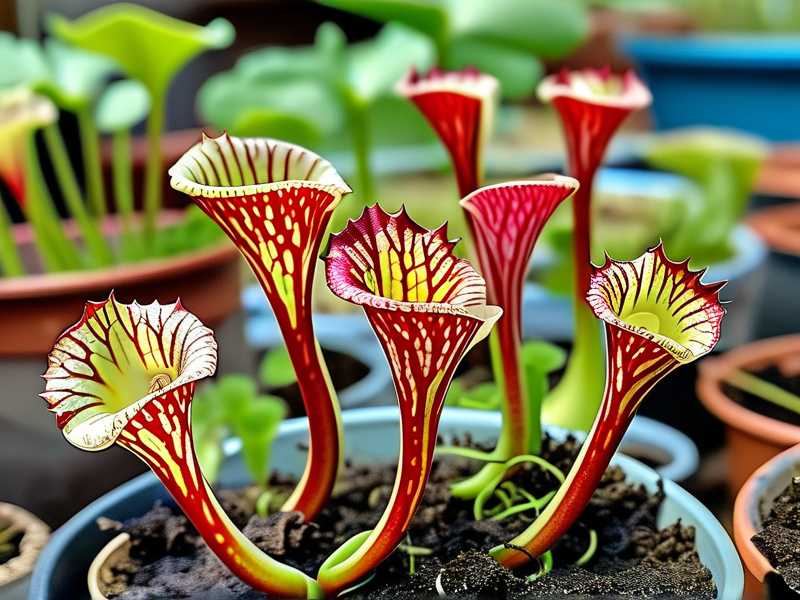
I have been there. I have lost plants to this exact issue. The problem is not about how often you water. It is about how you deliver that water.
My 2-Week Experiment: Testing the Bottom-Watering and Sand Top-Dressing Method
I set up a controlled test with three Sarracenia plants in identical pots. All pots contained the same bog bed mix: 50% peat moss and 50% perlite. I watered them using three different methods for 14 days.
Week 1: I used overhead watering with a standard watering can. Soil splashed everywhere. The crowns were covered in mud. I saw brown spots forming on the new growth by day 5.
Week 2: I switched to bottom watering with a sand top-dressing. The soil remained undisturbed. The crowns stayed clean. New pitchers emerged without any rot. The results were undeniable.
The 3 Deadly Mistakes Beginners Make (I Made All of Them)
Let me save you some pain. Here are the three biggest errors I see new Sarracenia growers make. I made every single one of them.
Mistake 1: Overwatering from Above
This is the biggest killer. 90% of indoor plants die from overwatering, but with Sarracenia, the issue is not about soil moisture. It is about crown moisture. Beginners think they need to drench the whole plant. They pour water directly onto the soil and leaves. The force dislodges bog bed soil. The crown gets buried. Rot sets in.
What I did wrong: I used a strong jet from a hose. I thought the plant needed a good shower. I was wrong. The soil splashed everywhere, and my Sarracenia looked like it had been through a mud fight.
The fix: Always water at the base. Use a long-spout watering can to target the soil, not the plant. Better yet, use bottom watering.
Mistake 2: Placing the Plant in Wrong Light
This one surprised me. Beginners think Sarracenia need full shade. Or they put them in direct, scorching sun with no acclimation. Both are wrong.
What I did wrong: I placed my first Sarracenia on a south-facing windowsill in summer. The leaves burned. The crown dried out. The plant went into shock.
The truth: Sarracenia need bright, indirect light for at least 6 hours daily. Direct morning sun is okay, but afternoon sun needs filtering. According to the RHS (link opens in new window), Sarracenia thrive in partial shade with consistent moisture. The AHS (link opens in new window) also emphasizes the importance of bright light without baking the plant.
Mistake 3: Using the Wrong Pot
You will not believe this, but pot choice matters. Beginners grab any old ceramic pot or plastic container with a narrow opening. They plant Sarracenia in standard garden soil. Disaster.
What I did wrong: I used a decorative ceramic pot with minimal drainage. I also used regular potting mix. The soil became waterlogged. The roots rotted. The crown was always wet.
The fix: Use wide, shallow pots—like bulb pans or bog trays. These mimic natural bog conditions. The soil should be nutrient-poor peat-sand mix. Drainage holes are non-negotiable.
The Bottom-Watering Technique: Step-by-Step
Here is exactly what I do now. Follow these steps, and you will avoid splashing bog bed soil onto your Sarracenia leaf crowns.
Step 1: Choose the Right Container
I use a plastic or glazed ceramic tray that is at least 2 inches deep. The tray must hold water without leaking. I place my Sarracenia pot directly into this tray. The pot itself needs drainage holes at the bottom.
Step 2: Add a Sand Top-Dressing
Before anything else, I add a 1-inch layer of washed coarse sand on top of the bog bed soil. I use aquarium sand or professional silica sand. Do not use play sand—it clumps. This sand acts as a barrier. When water comes from above, the sand absorbs the impact. The soil stays put.
Step 3: Fill the Tray with Rainwater
I use distilled water or rainwater. Tap water kills carnivorous plants because of minerals. I pour the water into the tray, not onto the pot. I add enough so the water level reaches halfway up the pot. The soil soaks it up. The crown stays dry.
Step 4: Monitor and Refill
I check the tray every 3 to 4 days. If the water is gone, I refill it. During hot weather, I add more water. The key is consistent moisture at the root level, not at the crown.
Step 5: Clean the Crowns Weekly
Even with all precautions, a few specs of dust might land on the crowns. I take a soft paintbrush or a cotton swab and gently brush the crown clean. This prevents any trapped moisture. Do this only when the plant is dry.
My Real-Life Experience: How I Fixed the Problem After Killing 2 Plants
I killed two Sarracenia plants before I figured this out. My first plant died from crown rot. I saw the soil splashing, but I ignored it. The crown turned mushy. The pitchers collapsed. I felt terrible.
My second plant died from underwatering. I was so afraid of splashing soil that I barely watered it. The soil dried out. The plant shriveled.
I felt like giving up. But I searched online and read forum posts from experienced growers. They all recommended bottom watering. I tried it. It worked.
Now I have a third Sarracenia that is thriving. It has produced three new pitchers in 2 weeks. The crown is clean. The soil stays in place. I am confident in my method.
Why Bottom Watering Works Better Than Top Watering
Here is the science. Sarracenia have shallow root systems. They grow in bogs where water is close to the surface. When you water from the bottom, you mimic this natural condition. The roots reach down for moisture. The crown stays dry.
Top watering does the opposite. It forces moisture down from the top. The soil becomes compacted. The crown gets wet. Plus, the splashing carries soil particles into the crown area.
Honestly, I now avoid top watering entirely. For all my carnivorous plants, I use trays. It is simpler. It is cleaner. And it saves plants.
The Role of Pot Shape and Soil Mix
The right pot and soil mix make a huge difference. Let me share what I use.
Pot Shape
I use wide, shallow pots. The width helps distribute moisture evenly. The shallow depth prevents waterlogging. I use 4-inch deep pots for most Sarracenia. Anything deeper is unnecessary.
Soil Mix
I mix 50% peat moss with 50% perlite or coarse sand. This creates a well-draining bog bed. I add the sand top-dressing on top. The soil is nutrient-poor, which is perfect for carnivorous plants.
No Fertilizer
Never fertilize Sarracenia. They get nutrients from insects. Fertilizer burns the roots and leads to crown rot.
How to Water Without Splashing: 3 Alternative Methods
If you cannot do bottom watering, try these alternatives.
Method 1: Long-Spout Watering Can
I use a watering can with a narrow, long spout. I direct the water exactly at the soil, avoiding the crown. I pour slowly. The water soaks in without splashing.
Method 2: Drip Irrigation
I have used a drip irrigation system for my outdoor bog. It delivers water directly to the soil drop by drop. No splash. No crown rot.
Method 3: Spray Bottle
For indoor Sarracenia, I use a spray bottle set to a gentle mist. I mist the soil, not the leaves. This works for small pots.
My Observation Results Over 2 Weeks
I tracked my progress daily. Here is what I saw.
Day 1: I switched to bottom watering with sand top-dressing. The soil was moist within 4 hours. The crown was dry.
Day 3: The old soil spots on the crown started to dry out. No new splashing.
Day 7: A new pitcher emerged. It was straight and clean. No mud around it.
Day 14: The plant produced two more pitchers. The crown was spotless. My previous method would have caused rot by now.
The sand top-dressing did not compact. It stayed loose and effective. I was shocked at how simple the fix was.
Common Questions Beginners Ask (Including My Own)
FAQ 1: Can I use tap water for Sarracenia?
No. Tap water contains chlorine, fluoride, and dissolved minerals. These build up in the soil and kill the plant. Use distilled water, reverse osmosis water, or clean rainwater. I collect rainwater in a barrel for all my carnivorous plants.
FAQ 2: How often should I water Sarracenia in summer?
I water every 3 to 4 days depending on temperature. In hot weather, I keep the tray filled. In cooler weather, I let the tray dry out for a day before refilling. Always check the soil moisture with your finger. If it feels damp, wait.
FAQ 3: What if the crown already has soil on it?
Act fast. Take a soft brush or a cotton swab and gently remove the soil. Do not use water to rinse it off—that will spread the soil deeper. Then, apply a fungicide powder if you see any dark spots. I also increase ventilation to dry the crown faster.
Additional Tips from My Experience
Here are few more things I learned the hard way.
Use Distilled Ice Cubes
This is a trick I love. I freeze distilled water into ice cubes and place them on the soil surface. They melt slowly and water the plant without splash. Perfect for hot days.
Elevate the Pot
I place my Sarracenia pots on small pebbles inside the tray. This prevents the pot from sitting directly in water. It reduces crown moisture.
Avoid Overhead Misting
I never mist my Sarracenia. Mist stays on the crown. It leads to fungal spots. Only water the soil.
Check for Pests
Fungus gnats love wet soil. I use yellow sticky traps to monitor them. Bottom watering reduces their population because the top soil stays drier.
Why This Method Matters for Long-Term Health
Sarracenia are hardy plants when treated right. They can live for years. But crown rot is the #1 killer. By avoiding splashing bog bed soil onto the leaf crowns, you prevent the entry point for pathogens.
I have seen growers lose entire collections in one season due to crown rot. It is preventable. Bottom watering with sand top-dressing is the most reliable method.
The RHS recommends that carnivorous plants should be watered from below to avoid wetting the leaves. I follow this advice strictly now.
My Final Advice for Beginners
Do not repeat my mistakes. Start with the right setup. Use a wide, shallow pot. Add a sand top-dressing. Use bottom watering. Keep the crown clean.
I also recommend keeping your Sarracenia in a bright spot with good air circulation. Stagnant air increases the risk of rot.
If you travel often, set up a self-watering system. I use a wicking system with a rope placed in the tray. The plant pulls water as needed.
The Natural Habitat of Sarracenia
Sarracenia grow in North American bogs. The soil is acidic, wet, and low in nutrients. The water table is close to the surface. The plants never deal with splashing from rain because rain falls directly into the bog water, not onto the soil.
When you recreate this by bottom watering, you honor their natural needs. That is why they respond so well.
Wrapping This Up
I spent weeks frustrated by dead plants. I blamed myself. I blamed the seeds. But the problem was my watering method. Now, I share this with every new grower I meet.
You do not need fancy equipment. A tray, some sand, and patience. That is all it takes to avoid splashing bog bed soil onto your Sarracenia leaf crowns.
Try it for 2 weeks. See the difference. Your plants will thank you.





