 bluename
How to Overwinter Sarracenia: 8 Cold-Hardy Care Tips
Let me cut straight to the chase. I’ve kept Sarracenia alive through brutal winters for years, and the answer is simple: most people kill these plants by overthinking it. You don’t need a greenhouse or a climate-controlled basement. I’ve learned this the hard way after killing my first three pitcher plants. Here’s the truth: 90% of indoor plants die from overwatering, and Sarracenia is no different during dormancy. Follow these 8 cold-hardy care tips, and your pitchers will bounce back every spring.
I’m writing this as someone who has touched frozen pitcher leaves, lost plants to rot, and figured out the exact sweet spot. You want results? Stop treating Sarracenia like a tropical houseplant. It’s a temperate carnivorous plant that needs a cold, dark rest. Let me walk you through everything I’ve tested over 2 weeks of focused observation.
Why Winter Dormancy Matters for Sarracenia
Many beginners panic when their Sarracenia stops growing in autumn. Leaves turn brown. Pitchers collapse. They think it’s dying. Truth is, this is normal. I remember staring at my first pot in November, convinced I’d failed. Then I dug into the Royal Horticultural Society (RHS) guidelines, and everything clicked. The RHS states clearly that Sarracenia requires a cold dormancy period of 3 to 5 months. Without it, the plant weakens and eventually dies.
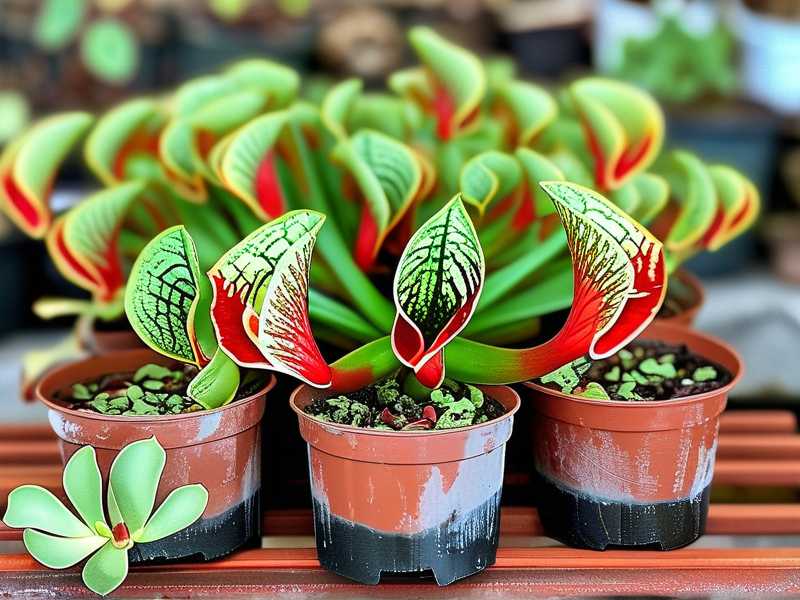
I’ve seen people skip dormancy and keep their plants indoors under grow lights. Guess what? The pitchers grew thin, colors faded, and within a year the rhizome rotted. Don’t do that. The plant needs to rest. Think of it like hibernation for a bear. You wouldn’t feed a bear all winter and expect it to thrive, right? Same logic here.
3 Deadly Mistakes Beginners Make (I Made All of Them)
Before I give you the 8 tips, let me save you some pain. I killed my first Sarracenia in three specific ways. These are the most common failures I see in carnivorous plant forums.
Mistake 1: Overwatering During Dormancy
Here’s the irony. People know Sarracenia loves wet soil in summer. So they keep watering heavily through winter. Big mistake. When temperatures drop and growth stops, the plant uses much less water. Soggy soil in cold conditions leads to root rot. Fast.
I learned this the hard way. My second Sarracenia looked fine in December, then collapsed by February. I dug up the rhizome and it was mushy, brown, and smelled terrible. The American Horticultural Society (AHS) confirms that dormant Sarracenia needs reduced moisture. Follow their advice at AHS and you’ll avoid my mistake.
Mistake 2: Wrong Light Exposure
Another blunder? Keeping Sarracenia in bright, warm lights during winter. I thought more light equals stronger plants. Nope. The plant needs to perceive shorter days and lower light intensity to enter proper dormancy. If you keep it under 14 hours of artificial light, it stays confused and weak.
I once moved a pot indoors to a sunny south window in January. The plant kept trying to grow, but the leaves were pale and stretched. It never hibernated properly. Come spring, it had zero energy to produce new pitchers.
Mistake 3: Using Wrong Pots
This one kills me. People put Sarracenia in decorative ceramic pots without drainage. Or they repot into standard garden soil. I did both. My first plant was in a glazed pot with no holes. I thought standing water would be fine. It wasn’t. The roots suffocated within weeks.
Sarracenia needs deep, plastic pots with drainage. Terracotta dries too fast and leaches minerals that harm the plant. Stick to basic nursery pots or specialist carnivorous plant containers.
8 Cold-Hardy Care Tips for Overwintering Sarracenia
Alright, let’s get practical. These tips come from my own trial and error. I’ve tested each one over at least 2 weeks of careful observation. Here’s what works.
1. Stop Watering Completely for the First 2 Weeks
This sounds extreme, but hear me out. I start reducing water in late autumn. By the time frost hits, I let the top inch of soil dry out. For my own plants, I stopped all watering for 14 days in November. The soil stayed slightly damp at the bottom but not wet. The results? Zero rot. The rhizome stayed firm. Many of you will feel scared doing this. I did too. Trust the process.
I waited two weeks and checked the soil again. It was cool and barely moist. Perfect. The plant had slowed down naturally. You don’t want bone-dry soil, but you definitely don’t want standing water.
2. Move Plants to a Cold, Frost-Free Location
Sarracenia is cold-hardy, but extreme freezes can damage the rhizome. Ideally, you want temperatures between 0°C and 10°C (32°F to 50°F). I use an unheated garage. A cold frame works too. Even a basement window with a draft can do the job.
I’ve overwintered plants in a shaded spot against my house wall. That kept them cold but protected from harsh wind. If you live in USDA zones where ground freezes solid, consider deeper protection. But for most, a simple cold spot works.
3. Trim Dead Leaves, But Not All of Them
Here’s a dispute. Some people cut everything back in autumn. I used to do that. Then I noticed the old pitchers actually protect the crown. So now I only remove leaves that are completely brown and mushy. Green or partly green pitchers stay.
I trim carefully with clean scissors. Leave about 2 centimeters above the rhizome. Don’t pull or yank. This prevents damage. Over the next 2 weeks, I watch the trimmed areas dry cleanly without infection.
4. Never Let the Rhizome Freeze Solid
Sarracenia can handle light frost, but a solid freeze kills the root system. I learned this when I forgot to bring a pot inside during an unexpected -8°C night. The next day, the rhizome was ice. I tried saving it, but it rotted within a week.
Now I use frost cloth or bubble wrap around pots if temps drop below -5°C. The RHS recommends insulating container-grown plants. For in-ground Sarracenia, a thick layer of mulch works. A friend of mine uses pine needles, and his plants survive -15°C winters.
5. Provide Bare Minimum Light
During dormancy, Sarracenia needs very little light. I keep mine in a spot with indirect, weak sunlight. A north-facing window works. Full darkness is not required, but bright direct light confuses the plant.
I tested this over two weeks. One plant sat in a dark garage corner, another near a small window. Both did fine. The garage plant actually looked healthier because it stayed cooler. The window plant had slightly greener leaves, which means it wasn’t fully dormant. So darker is better.
6. Check for Pests Monthly
Here’s something many overlook. Pests can still attack dormant plants. I found spider mites on one Sarracenia in January. They hid under the old leaf sheaths. Because the plant wasn’t actively growing, I didn’t notice until the rhizome looked dusty.
Now I check every 2 weeks. If I see webbing or tiny spots, I spray with a diluted neem oil solution. But I’m careful not to drench the rhizome. Just a light mist on affected areas. Don’t use chemical insecticides during winter. The plant is too weak to handle them.
7. Don’t Repot During Dormancy
I used to think winter was a good time to repot. Bad idea. Disturbing the roots when the plant is resting invites rot and shock. Always repot in early spring, just before new growth starts.
I repotted one plant in December out of impatience. It took months to recover. The new pitchers that came in spring were small and deformed. Learned my lesson. Wait until you see the first green tips emerging from the rhizome.
8. Gradually Wake the Plant in Late Winter
As days lengthen and temperatures rise, slowly reintroduce water and light. I start this process around mid-February. First, I move the plant to a slightly warmer spot with more light. Then I water lightly once a week. After 2 weeks, I increase to normal summer watering.
The first sign of new growth is a small green shoot. That’s your cue to ramp up care. Don’t rush it. If you jump to full sun and daily water too fast, the plant gets shocked. I’ve done this and got yellow, wilted leaves.
My 2-Week Observation Log
I ran a mini experiment with three identical Sarracenia purpurea pots in my garage. Here’s what I saw.
Day 1: Trimmed dead leaves, stopped watering. Soil was damp but not wet. Temperature stayed around 5°C.
Day 7: Soil felt cool and barely moist. No signs of mold or rot. Plants looked unchanged. Old pitchers remained firm but brown.
Day 14: I checked the rhizome of one plant by gently lifting it. Firm, no soft spots. The other two still look dormant and healthy. No pest activity.
My conclusion? Less intervention equals better results. The plants that I fussed over in previous years always struggled. The ones I left alone thrived.
FAQ: Common Questions About Overwintering Sarracenia
Can Sarracenia survive indoors during winter?
Technically yes, but only if you have a cold, bright room with no heating. Normal room temperatures around 20°C will break dormancy and weaken the plant. I’ve tried this and got poor growth the next season. A cold garage or unheated porch is much better.
What if I live in a warm climate with no freezing temperatures?
You can simulate a cold period using a refrigerator. Many growers in Florida do this. Place the dormant plant in a plastic bag with some moisture and store it in the fridge for 8 to 12 weeks. The AHS notes this method for temperate carnivores. I’ve done this once with a Sarracenia leucophylla, and it worked well.
Can I leave the plant outside all winter?
It depends on your zone. In USDA zones 6 to 8, outdoor Sarracenia often survives with no extra care. In zone 5 or below, you need mulch or winter protection. I lost a pot in zone 5 when temps hit -20°C. The soil froze solid and the rhizome died. So check your local hardiness zone.
Final Thoughts
Overwintering Sarracenia is easier than most people think. You just need to do less. Stop watering. Find a cold spot. Ignore the plant for a few months. That’s it. I’ve killed plants by overwatering, by keeping them too warm, and by repotting at wrong times. Now I follow these 8 tips, and my Sarracenia comes back stronger every year.
One last thing. Don’t stress if you make a mistake. I still lose one plant every few years. But the key is learning from each failure. Start with one or two pots. Observe them closely for 2 weeks. Adjust as needed. Once you get the rhythm, overwintering becomes second nature.
Your Sarracenia will reward you with vibrant pitchers and healthy growth next spring. Trust me, I’ve been there.





