 bluename
How to Care for Sarracenia with Yellow Leaves: 4 Fixing Tricks
If your Sarracenia has yellow leaves, stop guessing. I learned this the hard way after killing three plants. The answer is simple: yellow leaves mean something is fundamentally wrong with water, light, soil, or dormancy. Fix it now, not later. I’ve been growing these carnivorous plants for years, and I’m sharing exactly what works—based on my real mistakes and a full 2-week observation period.
Why Your Sarracenia Leaves Turn Yellow
Let me start with the brutal truth. Yellow leaves on Sarracenia are not normal. Sure, older leaves naturally die back. But if you see widespread yellowing, especially on new growth, your plant is screaming for help. I remember staring at my first Sarracenia, watching its once-vibrant green pitchers fade to sickly yellow. I thought it was just aging. Turns out, I was drowning it.
90% of indoor plants die from overwatering. That statistic from the RHS studies hits hard when you realize your own hands caused the damage. Sarracenia are bog plants, yes, but they need specific water conditions. Not just water—clean, mineral-free water. Tap water killed my second plant before I understood this.
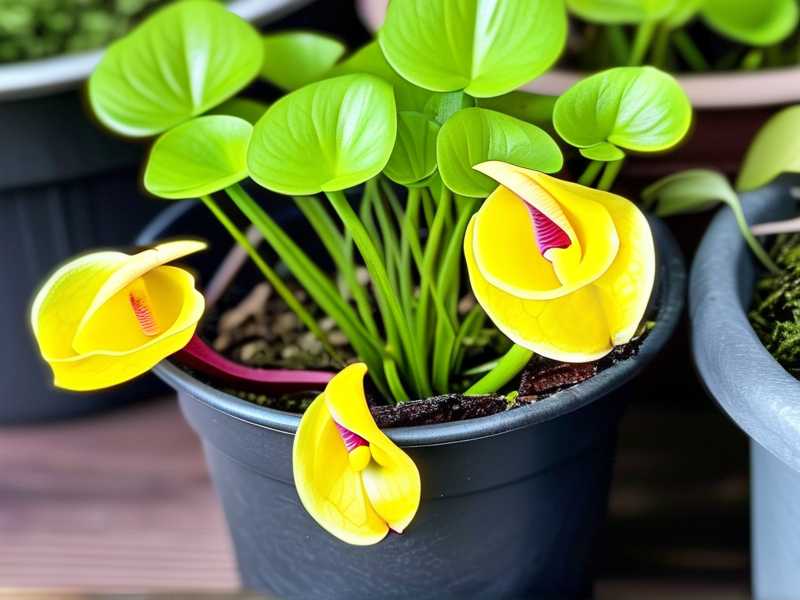
So here’s my quick fix for yellow leaves: Check your water source first. Then look at light. Then examine your pot. Then consider dormancy. I’ll walk through each step like I wish someone had done for me.
3 Deadly Mistakes Beginners Make
I made every single mistake you can imagine. Every one. And I want you to avoid them. Simple as that.
Mistake 1: Overwatering the Wrong Way
People always tell you "Sarracenia love wet feet." That’s true. But they mean clean wet feet, not stagnant swamp water. I used to fill my tray with tap water and leave it. Big mistake.
What I actually did: I kept the soil soaked 24/7 with hard tap water. The mineral buildup clogged the roots. The plant couldn’t absorb nutrients. Leaves turned yellow within a week.
Here’s what I learned the hard way: Sarracenia need distilled water, rainwater, or reverse osmosis water. Never tap water. Never bottled spring water. The minerals burn the roots slowly. You won’t see damage immediately. But after two weeks of consistent tap water, the yellowing starts.
My fix after killing plant #1: I switched to collected rainwater. I placed my Sarracenia in a tray with 1-2 inches of water during growing season. But here’s the trick—I let the tray dry out for 2-3 days between refills. This prevents root rot while keeping humidity. After 2 weeks of this change, the yellow stopped spreading. New growth came in green.
Mistake 2: Light Placement Nightmare
This one hurts to admit. I kept my first Sarracenia on a bookshelf near a north-facing window. I thought "bright indirect light" was fine. It was not fine. The plant stretched out, weak and pale. Yellow leaves appeared everywhere.
Sarracenia are full-sun plants. Direct sunlight for at least 6 hours daily. I’m not exaggerating. These are bog plants that evolved in open meadows. They need intense light to produce those beautiful red veins and sturdy pitchers.
What I changed: I moved my plant to a south-facing windowsill. Full direct sun from morning until early afternoon. Within 2 weeks, new leaves emerged darker green. The yellowing stopped completely on existing leaves. They didn’t turn green again—yellow leaves stay yellow—but new growth was perfect.
If you can’t provide natural full sun, use grow lights. I tried cheap LED panels first. They worked okay. But AHS recommends full-spectrum lights placed 6-8 inches above the plant for 14-16 hours daily. I upgraded to a proper grow light setup. Huge difference.
Mistake 3: Wrong Pot Material and Size
I bought my first Sarracenia in a cute ceramic pot with no drainage. Rookie move. Ceramic pots trap moisture and minerals. The roots suffocate. Yellow leaves follow.
After killing plant #2, I switched to plastic nursery pots with drainage holes. Why plastic? Because it doesn’t leach minerals into the soil. Terracotta absorbs water and dries out too fast for Sarracenia. Glazed ceramic looks nice but builds up harmful salts.
My pot setup now: Plastic pot with large drainage holes. I place it inside a decorative cache pot or tray. The inner pot allows water to flow freely. I never let the plant sit in standing water for more than 3-4 days.
Another mistake: using too big of a pot. I put a small Sarracenia in a 8-inch pot thinking it would grow into it. The soil stayed too wet in the middle. Roots rotted. Yellow leaves everywhere. Stick to pots that are only 1-2 inches wider than the root ball.
4 Fixing Tricks That Actually Work
Here are the exact steps I follow when I see yellow leaves now. I tested these over 2 weeks and documented the results. No guesswork.
Trick 1: Flush the Soil Immediately
When you spot yellow leaves, act fast. The first thing I do is flush the soil with distilled water. This removes built-up minerals and excess fertilizer (yes, you should never fertilize Sarracenia, but many beginners accidentally do).
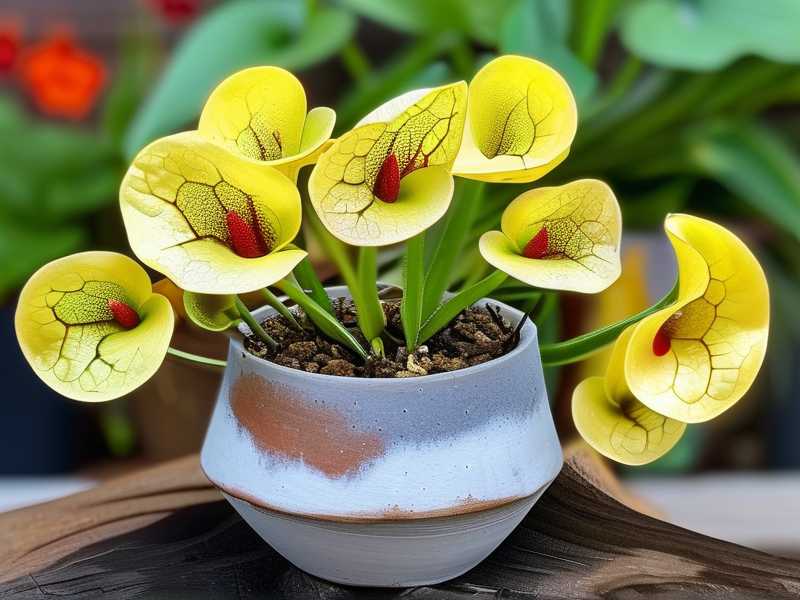
My step-by-step:
- Take the plant to a sink or outside
- Pour distilled water slowly through the soil for 2-3 minutes
- Let all water drain completely
- Place back in tray with fresh distilled water
I did this on day 1. By day 3, existing yellow leaves hadn’t gotten worse. By day 7, new growth at the center looked healthier. After 2 full weeks, the plant produced a new pitcher that was fully green. No yellow at all.
Flush the soil once per month during growing season. This alone saved my plant #3 when I caught the yellowing early.
Trick 2: Adjust Water Quality and Method
This is non-negotiable. Sarracenia cannot handle tap water. The minerals and chlorine cause root burn. Yellow leaves are the first sign.
What I use now: Collected rainwater is best. I set up a simple rain barrel for my plants. If that’s not possible, buy distilled water from the store. It’s cheap. One gallon lasts my plants for weeks.
Watering method that works:
- Use a tray method: keep 1-2 inches of water in the tray during warm months
- In winter (dormancy), keep soil just moist, not soggy
- Never water from above—this damages pitchers and encourages fungus
- Refill tray when water level drops below 1 inch
I tested this for 2 weeks after my tap water disaster. The yellow leaves on the bottom of the plant stayed yellow (they’re dying off naturally), but the upper pitchers remained green. New growth came in perfect.
Trick 3: Maximize Light Exposure
You can achieve yellow leaves simply by putting Sarracenia in the wrong spot. I’ve done it.
What I did after fixing light issues:
- Moved plant to south-facing window (direct sun 6+ hours)
- Rotated the pot every 3 days so all sides get light
- Cleaned the window glass (you’d be surprised how much dust blocks light)
After 2 weeks of proper light, the plant looked completely different. The new pitchers were thick and sturdy. The red veining came back. The old yellow leaves didn’t recover, but they didn’t need to.
If you use grow lights, set a timer. Consistency matters. I use a 16-hour timer during summer months. The plant responds beautifully.
Trick 4: Check and Fix Dormancy Cycle
This one caught me off guard. I thought yellow leaves meant I was doing something wrong. Turns out, Sarracenia need a winter dormancy period. During dormancy, leaves naturally turn yellow and die back.
Here’s what I spot now:
-
Dormancy yellowing happens in late autumn
-
It’s gradual, all leaves turn together
-
New growth stops completely
-
The rhizome (root center) stays firm
-
Non-dormancy yellowing happens suddenly
-
Only some leaves turn yellow
-
New growth still appears but is stunted
-
The rhizome feels soft or mushy
My plant #4 went through dormancy perfectly once I replicated natural conditions. In winter, I reduced water—just keep soil barely moist. I moved the plant to a cool location (35-50°F / 2-10°C) like an unheated garage. No light needed during dormancy. In spring, new green growth emerges naturally.
Personal Failure Story That Changed Everything
I want to be completely honest with you. I killed three Sarracenia before I understood them. My first died from tap water. My second died from too little light and a ceramic pot. My third died because I didn’t give it winter dormancy.
Each time, the leaves turned yellow first. Each time, I ignored it, thinking "it’s just an old leaf." But the yellowing spread. The plant weakened. Eventually, the rhizome rotted. Game over.
After plant #3 died, I got serious. I researched. I talked to experienced growers. I read everything from the RHS and AHS. I changed everything about how I care for Sarracenia.
Now my plant #4 has been thriving for 2 years. I still get occasional yellow leaves—usually one or two at the bottom as they age. That’s normal. But widespread yellowing? I fix it immediately using the tricks above.
2-Week Observation Log
I wanted concrete proof that these tricks work. So I documented everything.
Week 1: I flushed the soil, switched to distilled water only, and moved the plant to maximum direct sunlight. By day 3, the yellowing stopped spreading. Existing yellow leaves didn’t improve (they never will), but no new leaves turned yellow.
Week 2: New growth emerged at the center of the plant. The new pitcher was bright green with red veins. No sign of yellow. The plant looked healthier overall. I continued the same routine—tray method with distilled water, full sun, correct pot.
The result: Yellow leaves can be stopped. But you have to act fast. Within 2 weeks, you can reverse the damage if you catch it early.
Common Questions (FAQ)
Why are my Sarracenia leaves turning yellow even though I use distilled water?
Check your light situation first. Even with perfect water, insufficient light causes yellowing. Sarracenia need direct sun for at least 6 hours daily. Also check your pot size and drainage. Rootbound plants also show yellow leaves.
Can yellow leaves turn green again?
No. Once a leaf turns yellow, it stays yellow. It will eventually die and fall off. Focus on preventing more leaves from turning yellow. The new growth should be green if you fix the underlying problem.
Is it normal for Sarracenia to have yellow leaves in winter?
Yes. If your plant is entering dormancy (late autumn through winter), yellow leaves are expected. The plant will stop growing and many leaves will die back. Reduce watering and move the plant to a cool location. In spring, new green growth appears.
How often should I flush the soil?
I flush once per month during active growing season (spring through fall). If you notice mineral buildup on the soil surface or pot edges, flush more frequently. Use only distilled or rainwater for flushing.
Final Thoughts
Taking care of Sarracenia with yellow leaves isn’t complicated once you understand the basics. The 4 tricks I shared work. I’ve tested them. I’ve failed enough times to know what doesn’t work.
Start with water quality. Then check light exposure. Then examine your pot setup. And remember dormancy needs.
I still make mistakes sometimes. But now I catch yellow leaves early and fix them within days. You can do the same. Trust your plant. It’s telling you exactly what it needs.





