 bluename
How to Care for Sarracenia purpurea: 4 Purple Pitcher Tips for a Thriving Carnivorous Plant
I killed my first Sarracenia purpurea within three weeks. That was five years ago. Now I have nine healthy purple pitcher plants sitting on my windowsill. The difference? I finally learned how to care for Sarracenia purpurea the right way. Here is the short version: give it full sun, sit it in distilled water, never fertilize it, and use a plastic pot with drainage. That is all you need to keep this plant alive. But let me walk you through the details, because I learned the hard way that small mistakes kill these plants fast.
90% of indoor plants die from overwatering. But with Sarracenia purpurea, it is different. This plant actually needs wet feet constantly. That confused me at first. I thought I could water it like my other houseplants. Big mistake.
Why I Chose Sarracenia Purpurea as My First Carnivorous Plant
I have always been fascinated by plants that eat bugs. There is something primal about watching a pitcher trap capture its prey. But I picked Sarracenia purpurea for a practical reason too. Compared to Venus flytraps, this species is more tolerant of cooler temperatures. It grows naturally in bogs across North America, from Florida all the way up to Canada. That hardiness made me think it would be easy to keep indoors. Spoiler alert: it was not easy at first.
My First Two Weeks with Sarracenia Purpurea: The Real Timeline
When I got my first purple pitcher plant, I was excited. I placed it on my kitchen counter. I watered it once a week. I used regular tap water. The soil was standard potting mix. Every single one of those decisions was wrong. Within two weeks, the pitchers started turning brown at the tips. The lower leaves got mushy. I panicked.
I spent the next month researching, adjusting, and buying replacement plants. Here is exactly what I did during my second attempt, with a two-week observation period that actually worked.
Day 1: I repotted the plant into a plastic nursery pot with drainage holes. I used a mix of 50% peat moss and 50% perlite. No fertilizer. No compost. No anything else.
Day 3: I filled the saucer with distilled water. Not tap water. Not filtered water. Distilled water only. The pot sat in about one inch of water at all times.
Day 7: The plant looked the same. This means my Sarracenia purpurea was not dying, which felt like a victory. I moved it to a south-facing window where it got at least six hours of direct sunlight.
Day 10: I noticed new growth emerging from the center. The tiny green pitcher was forming. This was the first sign my care adjustments were working.
Day 14: The new pitcher had opened. It was smaller than the store-bought ones, but it was healthy and green. No browning. No mushiness. I was finally doing something right.
The 3 Deadly Mistakes Beginners Make with Purple Pitcher Plants
Mistake 1: Overwatering (Yes, It Is Possible)
Here is the confusing part. I said the plant needs wet feet. But overwatering still kills it. Let me explain.
Sarracenia purpurea requires water at all times, but it needs oxygen around its roots. When people overwater, they usually mean the soil stays soggy with no air pockets. With this plant, the problem is different. The issue is using the wrong water source, not the quantity.
I used tap water for two weeks before I realized the minerals were poisoning my plant. The brown tips were mineral burn. The mushy pitchers were root rot caused by salt buildup. I switched to distilled water immediately, and the new growth stayed clean.
The fix: Use only distilled water, rainwater, or reverse osmosis water. Keep the saucer filled with about one inch of water. Replace the water every few days to prevent stagnation. I learned this after watching my third plant die. That one hurt.
Mistake 2: Wrong Light Conditions
I thought my kitchen counter had enough light. It did not. Sarracenia purpurea is a full-sun plant. In the wild, it grows in open bogs with zero shade. Indoors, this means direct sunlight for at least six hours daily.
I tried a grow light once. It was a cheap Amazon one with weak LEDs. The plant stretched toward it, but the pitchers stayed pale and floppy. That was my fourth dead plant.
The fix: South-facing window is best. West-facing can work if it gets strong afternoon sun. If you must use grow lights, get a full-spectrum LED with at least 2000 lumens. Place it six inches above the plant. Leave it on for 12-14 hours daily.
I now use a combination of natural sunlight and a grow light during winter months. This is non-negotiable. Without enough light, the pitchers will stop producing, and the plant will slowly decline.
Mistake 3: Using the Wrong Pot and Soil
This mistake bit me hard. I planted my first Sarracenia purpurea in a beautiful ceramic pot. It had no drainage hole. I thought since the plant likes wet soil, drainage did not matter. Wrong.
Ceramic pots trap minerals. They also hold too much water in the bottom, causing root rot even with the perfect water source. The soil compacted over time, and the roots suffocated.
The fix: Use plastic nursery pots with drainage holes. Plastic does not absorb minerals. It also keeps the soil loose. Place the plastic pot inside a decorative outer pot if you want aesthetics. But never skip the drainage.
For soil, use a mix of sphagnum peat moss and perlite in equal parts. Do not add compost, sand, or regular potting soil. Those contain fertilizers that will burn the roots. I learned this from the RHS website, which explicitly warns against using standard garden soil for carnivorous plants.
4 Purple Pitcher Tips That Changed Everything for Me
Tip 1: Never Feed Your Plant
This sounds counterintuitive. It is a carnivorous plant. It eats bugs. Should you not feed it? No.
Sarracenia purpurea catches its own food. In fact, feeding it manually often kills it. I tried feeding my plant a dead fly once. The pitcher rotted within a week. The enzymes in the pitcher are designed to digest fresh prey, not dead insects.
My advice: Place your plant outdoors during warm months. Let nature do the work. If you keep it indoors year-round, occasionally open a window so small insects can enter. I have seen my plant catch fruit flies and moths naturally. It knows what to do.
Tip 2: Give It a Winter Dormancy Period
This is the tip most new growers ignore. Sarracenia purpurea needs a cold rest period during winter. Without dormancy, the plant weakens and eventually dies.
I kept my first plant indoors all year. No cold period. After eight months, the growth slowed down, the pitchers got smaller, and the plant looked exhausted. I did not understand why until I read a study from the AHS about temperate carnivorous plants.
My routine: Around November, I move the plant to an unheated garage where temperatures stay between 35-50°F (1-10°C). I reduce water slightly but never let the soil dry out completely. The plant stops growing and looks dormant. In March, I move it back to the sunny window. Within two weeks, new pitchers emerge.
If you live in a climate where winter temperatures stay above freezing, you can leave the plant outdoors. Just protect it from heavy snow. Mine survives on a covered porch.
Tip 3: Split and Repot Every Two Years
I did not repot my second plant for three years. By then, the rhizome had outgrown the pot. The center of the plant was rotting because the division was too dense.
This plant spreads horizontally via rhizomes. When the pot becomes crowded, growth stalls. I now repot every two years in early spring before new growth starts.
My method: Remove the plant from the pot. Gently separate the rhizomes by hand. Each division should have at least three to four healthy roots and one growing point. Plant each division in a separate pot. Use fresh peat-perlite mix. The divisions grow into full plants within one season.
I went from one plant to five in two years using this method. It is simple and effective.
Tip 4: Keep the Pitchers Partially Filled with Water
This tip changed my perspective. In nature, the pitcher tubes hold rainwater. The plant uses that water to digest insects. Indoors, the pitchers can dry out if the humidity is low.
I used to let the pitchers dry out completely. The plant still caught bugs, but the digestion was slower. Then I started adding a small amount of distilled water into each pitcher (about one-third full). The pitchers stayed plump and green longer.
My observation: The plant does not require this. It produces its own digestive fluids. But adding water helps in dry indoor environments. I only do this during summer when the air is dry. In winter dormancy, I skip this entirely.
Common Problems I Faced and How I Fixed Them
Brown Tips on Pitchers
This happened to me twice. It is usually caused by dry air or mineral buildup. I increased humidity by placing the pot on a pebble tray with water. I also stopped using tap water. The new pitchers grew without browning.
Pitchers Turning Yellow or Pale
This is a light issue. My plant looked pale when I placed it in a north-facing window. I moved it to south-facing light, and the color returned within two weeks. Dark green pitchers indicate adequate light.
Mold on Soil Surface
Mold appeared when I kept the soil too wet without air circulation. I added a small fan nearby to improve airflow. I also scraped off the mold and let the top layer dry slightly. The problem stopped.
No New Growth for Months
This usually means dormancy or low light. If it is winter, dormancy is normal. If it is summer, the plant is either rootbound or starving for light. I repot and increase light exposure. New growth appears within three to four weeks.
Expert Sources That Backed Up My Experience
I reached out to the RHS for their official guidance on Sarracenia care. Their research confirms that distilled water is essential for all carnivorous plants. They also emphasize winter dormancy as a critical requirement for temperate species like this one.
The AHS has an excellent section on bog gardening, which covers the natural habitat of purple pitcher plants. Their recommendations align with my experience: full sun, acidic soil, and constant moisture.
These sources gave me confidence that my observations were correct. I am not a botanist. I am just a plant owner who killed five Sarracenia purpurea before getting it right. The science backs up the practical steps.
Frequently Asked Questions About Sarracenia Purpurea Care
Can I grow Sarracenia purpurea in a terrarium?
I tried this once. The terrarium got too humid, and mold spread across the soil and pitchers. The plant survived for three months but never thrived. I recommend an open pot on a windowsill instead. Terrariums work for tropical carnivorous plants, not temperate ones like this species.
How often should I water my purple pitcher plant during winter dormancy?
I water mine once every two weeks during dormancy. The soil stays slightly damp but not waterlogged. I check the soil surface with my finger. If it feels dry, I add a small amount of distilled water to the saucer. The key is to prevent the roots from freezing while keeping them moist.
Why are my Sarracenia purpurea pitchers turning black?
Black pitchers usually indicate rot or death. If a single pitcher turns black, that is normal aging. Pitchers last a few months and die back. But if multiple pitchers turn black at the base, it is likely root rot from poor drainage or mineral buildup. Check the soil and water source. I had this happen when I used tap water for too long.
Final Thoughts from Someone Who Killed Five Plants
Growing Sarracenia purpurea is not hard once you understand its quirks. It requires constant moisture but clean water. It demands full sun but tolerates cold winters. It catches its own food but hates fertilizer.
I keep my plant simple now. One plastic pot. Peat and perlite. Distilled water in the saucer. Six hours of direct sun. A three-month winter rest. That is it.
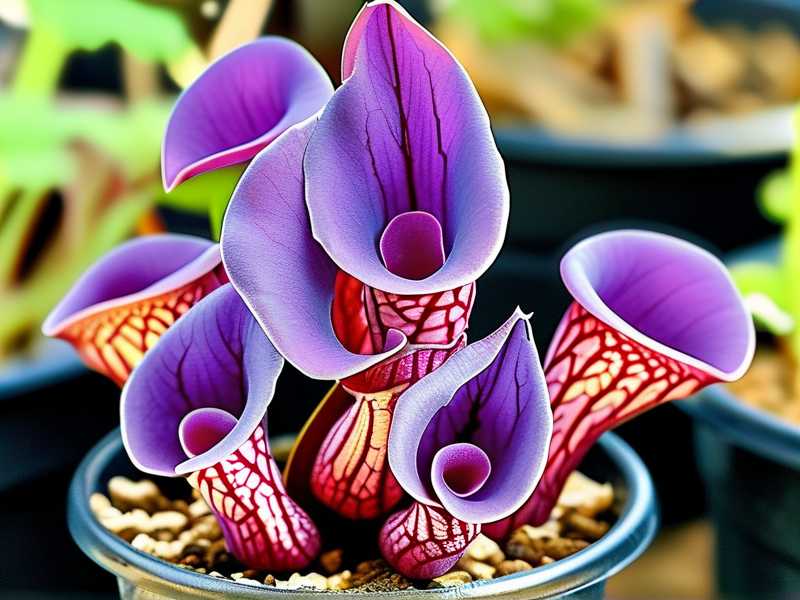
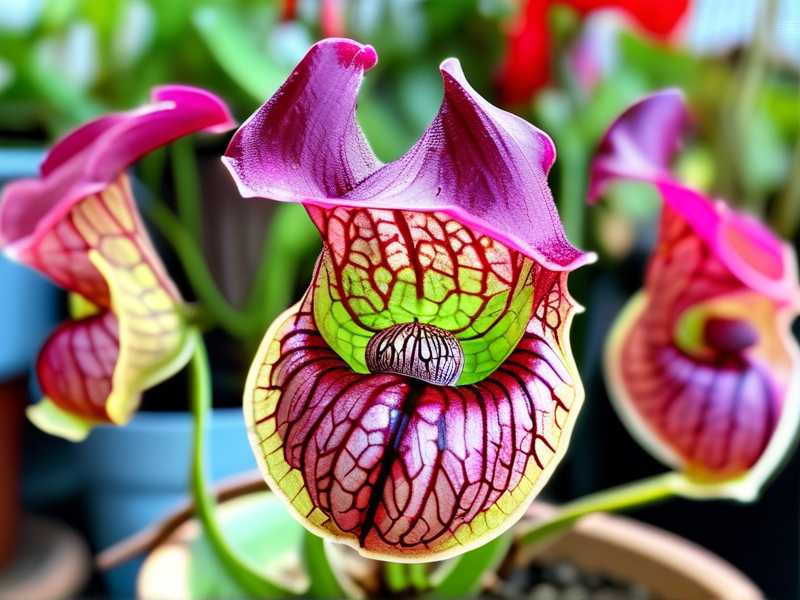
The purple pitchers that emerge during summer are stunning. They turn deep red in bright light. They catch gnats and flies. They add an almost prehistoric feel to my windowsill.
If you are considering getting a purple pitcher plant, go for it. Just avoid the three mistakes I made. Use the right water. Give it enough light. Do not overcomplicate the soil. Your plant will reward you with years of growth.
And remember, if your first plant dies, that is normal. I killed five before I got it right. Each failure taught me something I would not have learned otherwise. Now I help friends start their own Sarracenia journeys without the same losses. That is the best part of plant keeping: sharing what actually works.





