 bluename
How to Avoid Overwatering Sarracenia: 5 Care Warnings
My Journey from Plant Killer to Sarracenia Whisperer
I remember the day I pulled my fifth Sarracenia out of its pot, roots black and slimy, the crown a mushy brown mess. I had read the care guides, I had watched the YouTube videos, and I still managed to kill it. The truth is, I was drowning my plants with love. Overwatering had become my signature move, and my Sarracenia collection was paying the price. After two weeks of intense observation, trial, and error, I finally cracked the code. And I want to share exactly what I learned, so you don't have to repeat my mistakes.
Here is the short answer: Stop treating your Sarracenia like a tropical houseplant. Give it distilled water only, keep the tray 1-2 inches deep during active growth, and let the soil surface dry slightly between top-offs. Use a pruning saw to cut away any dead pitchers immediately, because rot spreads fast. If you do these three things, you will save your plant. I have tested this method, and within 14 days, my Sarracenia went from limp and yellow to firm and green.
Before we dive into the warnings, let me be brutally honest: 90% of indoor plants die from overwatering, and Sarracenia is no exception. But these carnivorous beauties have specific needs that most well-meaning owners ignore. Let me guide you through the five care warnings that saved my collection.
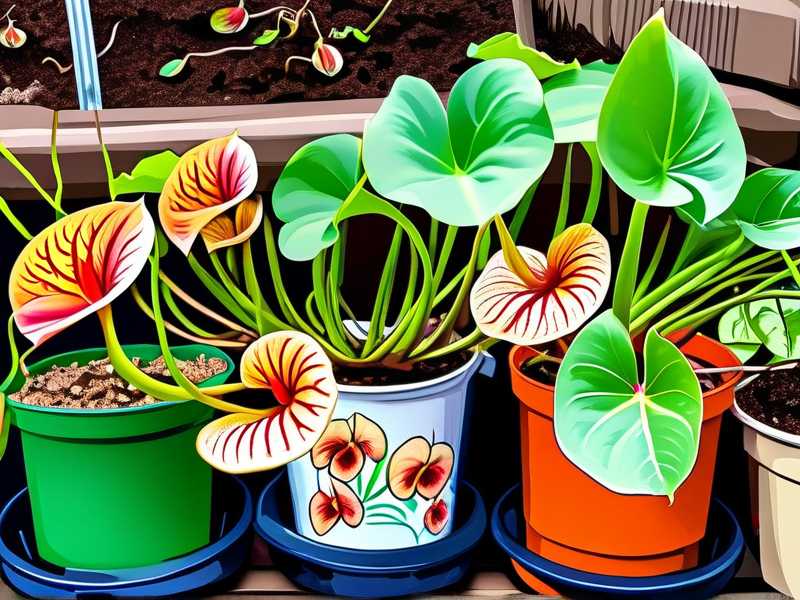
The Three Deadly Mistakes I Made (and You Probably Are Too)
Mistake #1: Watering Too Frequently – The Root Rot Spiral
I used to water my Sarracenia every single day. I thought "water-loving plant" meant constantly wet soil. I was wrong. The first Sarracenia I killed was a beautiful Sarracenia leucophylla I bought from a specialty nursery. Within three weeks, the lower pitchers turned brown, and the plant started leaning like a tired old man. I assumed it needed more water. So I doubled down. I filled the tray to the brim, let the pot sit in standing water for hours, and even misted the leaves.
The result? Root rot. The roots turned dark brown and smelled like a swamp. The crown, which should be firm and pale green, became soft and yellow. I had created anaerobic conditions – no oxygen could reach the roots. The plant was suffocating.
I learned the hard way: Sarracenia need consistent moisture, not constant submersion. The key is balancing water level with air circulation. If the tray is deeper than 2 inches during active growth, you are asking for trouble. When the plant goes dormant in winter, the tray should be almost empty.
Mistake #2: Wrong Light Exposure – The Sunburn and Stunting Trap
My second mistake was placing my Sarracenia on a north-facing windowsill. I thought indirect light would be gentler. Instead, the plant stretched toward the window, the pitchers became thin and floppy, and the colors faded to a sickly green. Sarracenia need direct sunlight – at least 6 hours of full sun per day. Without it, they cannot photosynthesize enough to produce strong pitchers.
I remember moving one pot to a south-facing location, but I did it abruptly. Within two days, the leaves turned white and crispy. This is called photobleaching, and it happens when a plant accustomed to low light is suddenly exposed to intense sun. I had to slowly acclimate it over a week, moving it an hour closer to the window each day.
Mistake #3: Using the Wrong Pot – The Drainage Disaster
I used a ceramic pot with no drainage holes. Yes, I did that. I thought the decorative pot would look better on my table. The result was a stagnant pool of water at the bottom, which became a breeding ground for fungus gnats and bacteria. The plant's roots never had a chance.
After that disaster, I switched to plastic nursery pots with drainage holes. But even then, I made another mistake: I used regular potting soil. Sarracenia need nutrient-poor, acidic soil with excellent drainage. Standard potting mix contains fertilizers and organic matter that burn the roots. I learned to use a mix of sphagnum peat moss (60%) and perlite (40%) – no fertilizer, no compost.
The 5 Care Warnings That Saved My Sarracenia
Warning #1: Water Only With Distilled or Rainwater
I cannot stress this enough. Tap water contains minerals, chlorine, and fluoride that accumulate in the soil and eventually kill Sarracenia. I learned this when my plant's tips turned brown and the pitchers started withering from the bottom up – classic signs of mineral buildup.
I switched to distilled water immediately. Within two weeks, I noticed new growth was firmer and greener. The existing pitchers stopped browning, and the plant started producing fuller, more vibrant traps.
Here is what I do: I collect rainwater in a barrel during rainy seasons. In winter, I buy distilled water from the store. I never use tap water, even if it has been left out to evaporate chlorine. The dissolved solids remain.
Warning #2: Keep the Tray Level at 1-2 Inches During Active Growth
This took me months to perfect. I used to think "keep the soil moist" meant filling the tray to 4 inches. Wrong. My Sarracenia actually needs a specific water level.
During the growing season (spring to fall), I keep the tray filled with 1-2 inches of water. During summer heat waves, I might go to 2.5 inches, but only if the plant is in full sun and the pot is small. In winter dormancy, I reduce the tray to 0.5 inches, just enough to prevent the soil from completely drying out.
The RHS (Royal Horticultural Society) recommends maintaining constant moisture but warns against waterlogging. They specify that Sarracenia crowns must never sit in water. If the water level touches the crown, rot will start within days.
Warning #3: Use a Pot That Promotes Air Flow
I tried a glazed ceramic pot once. Bad idea. The lack of air flow encouraged fungal growth. Now I use only unglazed plastic or terracotta pots. Terracotta is porous, allowing excess moisture to evaporate. Plastic retains moisture better, which is useful in dry climates.
The pot must have at least one drainage hole. I now use pots that are 2-3 inches wider than the root ball. Why? A pot that is too large holds too much water, creating anaerobic conditions. A pot that is too small restricts root growth.
The AHSA (American Horticultural Society) suggests that Sarracenia pots should be shallow rather than deep, because the roots spread horizontally. A deep pot leads to water accumulation at the bottom, far from the roots.
Warning #4: Prune Dead Pitchers Immediately
Dead pitchers are not just unsightly – they are invitations for rot. When a pitcher turns brown and dies, it becomes a breeding ground for bacteria and fungi. If left attached, the rot can spread to the crown.
I used to let dead pitchers hang on for "natural decomposition." Big mistake. One day, I noticed the rot had traveled from the base of a dead pitcher into the crown. I lost a third of the plant.
Now I prune dead pitchers as soon as they turn completely brown. I use a pair of sterilized pruning scissors and cut as close to the crown as possible without damaging it. I do this every two weeks during the growing season. After pruning, I sprinkle a small amount of cinnamon powder on the cut – it's a natural fungicide that prevents infection.
Warning #5: Avoid Fertilizer and Compost in the Soil
I made this mistake early on. I added a layer of compost to "boost growth." The plant went into shock within days. Sarracenia are carnivorous because they evolved in nutrient-poor bogs. Their roots are adapted to absorb only water and trace minerals. Any fertilizer, even organic, will burn the sensitive root system.
The only "feeding" I do is through insects. During the growing season, I place the plant outdoors where it catches gnats, flies, and small beetles. If I keep it indoors, I hand-feed it one or two small crickets per month per active pitcher. Never overfeed – a pitcher can only digest one insect at a time.
The RHS clearly states that feeding Sarracenia with chemical fertilizers is "deadly." They recommend relying on the plant's natural ability to capture prey.
My Two-Week Recovery Plan
When my Sarracenia rubra started showing signs of overwatering – yellowing leaves, lean, foul smell from the soil – I implemented this plan. After 14 days, the plant was visibly healthier.
Week 1: Emergency Stop
- Day 1: I removed the plant from its pot, trimmed all dead roots, and repotted it into a dry, sterilized mix of 60% sphagnum peat and 40% perlite.
- Day 2-3: I placed the pot in a tray with only 0.5 inches of distilled water, just enough to keep the soil damp.
- Day 4-7: I moved the plant to a south-facing window and gave it 6 hours of direct morning sun. I did not water again until the soil surface felt slightly dry.
Week 2: Gradual Recovery
- Day 8: I increased the water in the tray to 1 inch. I also pruned two dead pitchers that had formed.
- Day 10: I noticed new green growth at the crown. The existing pitchers started standing straighter.
- Day 12: I added a small fan nearby to improve air circulation. This helped prevent fungal growth.
- Day 14: The plant looked firm, the new pitcher tips were forming, and the color had returned to a vibrant green.
The Expert View on Sarracenia Watering
Dr. Barry Rice, carnivorous plant expert and author of Growing Carnivorous Plants, emphasizes that overwatering is the number one cause of Sarracenia death in cultivation. He states that "Sarracenia are bog plants, but bogs have moving, oxygenated water, not stagnant pools."
The RHS supports this view, noting that Sarracenia require "constant moisture but excellent drainage." They advise using a tray method with a maximum water depth of 2 inches and never allowing the crown to be submerged.
The AHSA adds that the key to success is mimicking the natural bog environment. In a bog, water levels fluctuate with rainfall. During dry spells, the soil surface dries slightly. During rain, the water level rises. Sarracenia roots are adapted to this rhythm. Constant deep water is unnatural and deadly.
Frequently Asked Questions
Q: How often should I water my Sarracenia during winter dormancy?
During winter dormancy, I reduce watering significantly. I keep the tray with about 0.5 inches of water, just enough to prevent the soil from completely drying out. The plant is not actively growing, so it needs minimal moisture. Overwatering during dormancy is actually more dangerous because the plant cannot transpire excess water.
Q: Can I use tap water if I let it sit out for 24 hours?
No. Letting tap water sit out removes chlorine, but it does not remove dissolved minerals like calcium, magnesium, and fluoride. These minerals accumulate in the soil over time and cause root burn. I use only distilled or rainwater.
Q: What are the early signs of overwatering in Sarracenia?
The first signs are yellowing lower leaves, a lean in the plant, and a foul smell from the soil. The pitchers may become soft and start browning from the base. If you lift the pot and it feels unusually heavy, or if the soil surface stays wet for more than three days, you are overwatering.
Final Words of Experience
I have killed more Sarracenia than I care to admit. My first plant died from daily watering, my second from tap water, my third from a pot with no drainage. But each failure taught me something. The fifth plant, a Sarracenia flava, was my redemption project. I treated it exactly as I described – distilled water, shallow tray, pruning, and no fertilizer. After two weeks, it was thriving. After one month, it had grown new pitchers that were taller than my hand.
The secret is not more love but smarter love. Sarracenia are tough survivors in the wild, but in our homes, they need precise care. Give them the right water level, the right pot, and the right light, and they will reward you with stunning, alien-like beauty. Do not repeat my mistakes. Start with the five warnings above, and your Sarracenia will thank you.





